
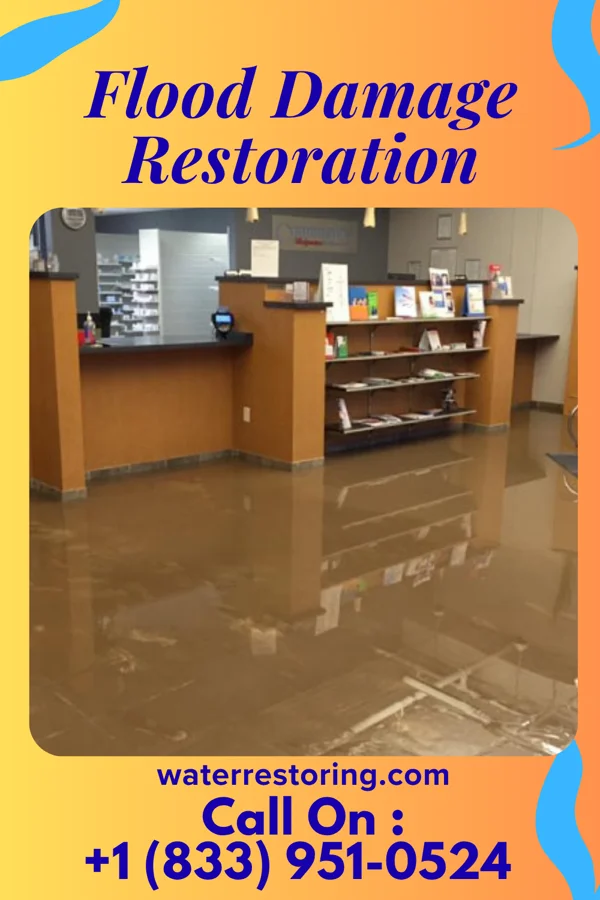
Why Flooding Hits Warwick Hard
The pattern in Warwick is consistent. Warwick, North Dakota, experiences flood risks primarily due to its location in Benson County, which is prone to spring flooding from snowmelt and heavy rainfall. The area's rural nature and proximity to rivers and streams increase vulnerability to sudden water accumulation, especially during the late winter and early spring months. drives most of the emergency restoration calls we get.
The climate in Warwick is characterized by cold winters and warm summers, with significant snowfall that melts rapidly in the spring. This leads to a high likelihood of flash flooding, particularly in low-lying areas near Tolna, Crary, and Fort Totten. The region's agricultural land also contributes to soil saturation, increasing flood potential.
The climate in Warwick is characterized by cold winters and warm summers, with significant snowfall that melts rapidly in the spring. This leads to a high likelihood of flash flooding, particularly in low-lying areas near Tolna, Crary, and Fort Totten. The region's agricultural land also contributes to soil saturation, increasing flood potential. The dominant local driver is Warwick, North Dakota, experiences flood risks primarily due to its location in Benson County, which is prone to spring flooding from snowmelt and heavy rainfall. The area's rural nature and proximity to rivers and streams increase vulnerability to sudden water accumulation, especially during the late winter and early spring months.. Our team in Warwick specializes in all water damage categories, including clean water, gray water, and black water. We are equipped to handle both residential and commercial properties, ensuring comprehensive restoration solutions.